

How Can Disagreements Occur in Assisted Living?
Disagreements in assisted living settings often arise when people with different backgrounds and habits share close quarters. These challenges may involve noise, shared space, schedule preferences, or differences in personalities. In Hanover, PA, where seasonal indoor living is common, issues can increase during colder months when more time is spent inside.
Residents may experience:
- Conflicts over television volume or shared common spaces
- Disputes about visitors, especially in semi-private rooms
- Differences regarding temperature, lighting, or use of personal items
Understanding that disagreements are a normal part of communal living provides a foundation for respectful resolution.
What Steps Can Residents Take to Address Minor Conflicts?
For smaller issues, respectful self-advocacy is usually the most effective first step. Start with calm communication:
- Approach the other resident privately and politely
- Use “I” statements (e.g., “I have trouble sleeping when the light is on late”)
- Listen carefully to the other person’s point of view
- Try to find a compromise if possible
Often, conflicts stem from misunderstandings or simple oversights. By opening up a genuine conversation, many minor problems can be resolved before they escalate.
When Is Involving Staff Appropriate?
If a disagreement continues or involves safety, staff involvement is appropriate. Assisted living team members are trained to manage interpersonal challenges neutrally and can offer helpful perspective.
Residents should consider notifying staff if:
- Previous attempts at private resolution have not worked
- The conflict involves potential safety risks (e.g., unsafe behavior, health hazards)
- There is a repeated pattern that disrupts community well-being
Local policies in the city generally support prompt staff response to protect everyone’s peace and security. Staff can mediate, clarify guidelines, and create solutions with fairness as the goal.
What Are Some Healthy Conflict Resolution Tools?
Effective conflict resolution is based on respect, candor, and willingness to find common ground. Some proven strategies include:
- Timeout: Step away briefly if emotions run high and return to the conversation later
- Perspective-taking: Imagine how the other person might feel about the situation
- Written agreements: If ongoing, consider noting mutually accepted boundaries and revisiting them if needed
In the city’s typical assisted living layouts, shared areas like dining rooms, activity spaces, and television lounges are often at the heart of tensions. Coordinating schedules, clearly labeling personal items, and using calendars for shared resources can reduce friction.
How Can Communication Style Affect Outcomes?
Communication style can strongly influence whether a disagreement is resolved peacefully. Tone of voice, body language, and word choice all matter.
Residents may find it helpful to:
- Speak calmly and avoid accusatory statements
- Focus on solutions, not blame
- Maintain respectful distance and posture
- Express appreciation when the other person makes an effort
Communication challenges related to hearing or memory changes are common. Repeating information clearly, using written notes, or seeking staff translation can help prevent misunderstandings.
What Are Common Misconceptions About Conflict in Assisted Living?
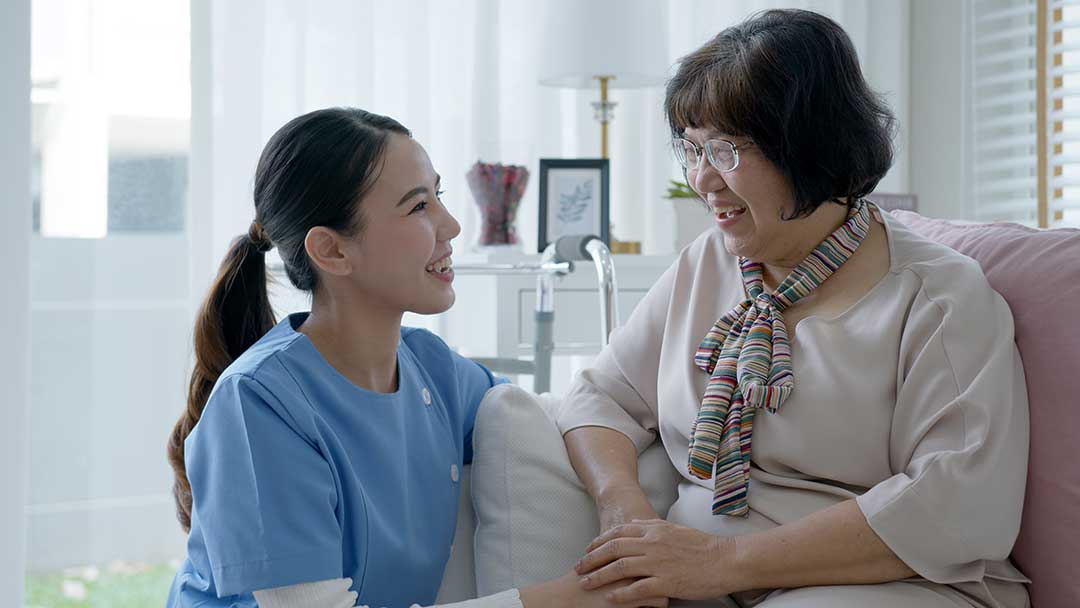
A frequent misconception is that any conflict signals a major problem. In reality, some level of disagreement is an ordinary part of group living and can even build trust when managed properly. Avoiding every conflict at all costs may actually increase frustration over time.
Another misconception is that staff will always “take sides.” Most assisted living communities in Hanover operate with clear conflict management policies to ensure fairness, promote direct communication first when safe, and step in only as needed.
How Should Residents Document Ongoing Issues?
If a situation isn’t easily resolved, keeping a short written record can be helpful:
- Note dates, times, and the nature of issues
- Summarize conversations and steps taken to resolve tension
- Share these notes with staff if the issue escalates
This record keeping, which can be basic and informal, helps staff understand what has occurred and supports a fair investigation if necessary.
Are There Ways to Build Community and Reduce Conflict?
Focusing on shared interests and community engagement often reduces the frequency and intensity of conflict. Many local assisted living communities offer group activities where residents get to know each other outside of daily routines.
Useful habits include:
- Participating in group events or communal meals
- Volunteering for committees or informal leadership roles
- Celebrating birthdays or holidays together
- Practicing kindness, even in brief hallway interactions
Small acts—greeting neighbors, complimenting efforts, or acknowledging others’ contributions—build goodwill and make it easier to resolve tension if it arises.
What If a Conflict Involves a Sensitive Issue?
Conflicts involving sensitive topics such as mobility aids, privacy, personal care, or health needs may need extra care. Respecting privacy is a core value in local assisted living communities, and these concerns should be treated delicately.
In challenging situations:
- Communicate privately whenever possible
- Allow time for the other person to respond
- Involve a trusted staff member if emotions run high or a resident feels overwhelmed
Misunderstandings around medical needs or routines can often be solved with the help of professional staff who can explain policies or mediate safely.
