

Assisted living safety depends on more than preventing falls. Residents, families, staff, and visitors also share responsibility for reducing infections, recognizing illness early, responding to emergencies, and maintaining a clean, comfortable living environment.
In Pennsylvania, assisted living residences are subject to state licensing requirements, and long-term care facilities must maintain facility-specific infection control plans. These plans are expected to address how infections are prevented, identified, reported, investigated, and controlled. ([pa.gov](https://www.pa.gov/agencies/dhs/resources/licensing/pch-alr-licensing/pch-alr-compliance-guides?utm_source=openai))
What safety protocols should an assisted living residence have?
A safe residence should have written procedures that staff can follow consistently during ordinary care and during an outbreak or emergency. These procedures commonly cover:
- Hand hygiene and use of gloves, gowns, masks, or other protective equipment
- Cleaning and disinfecting shared spaces and frequently touched surfaces
- Safe food handling, medication administration, and blood glucose monitoring
- Fall prevention, emergency response, and evacuation
- Reporting changes in a resident’s condition
- Visitor precautions during respiratory or gastrointestinal illness
- Communication with families, healthcare providers, and public health authorities
Safety protocols should not exist only in a policy manual. Staff need appropriate training, access to supplies, supervision, and a clear process for reporting concerns. Facilities may also track prevention measures such as hand hygiene and correct glove or gown use to identify gaps and improve practice. ([cdc.gov](https://www.cdc.gov/nhsn/ltc/index.html?utm_source=openai))
How are infections prevented in assisted living?
The most effective approach combines routine habits rather than relying on a single measure. Residents and staff should clean their hands before eating, after using the bathroom, after coughing or sneezing, and before and after providing personal care. Alcohol-based hand sanitizer is useful in many situations, but soap and water are especially important when hands are visibly dirty and during certain gastrointestinal infections.
Shared equipment should be cleaned between residents according to the equipment manufacturer’s instructions. This can include blood pressure cuffs, thermometers, walkers, shower chairs, and blood glucose meters. Fingerstick devices and insulin pens must never be shared between residents. Blood glucose meters used for more than one person must be designed for professional use and disinfected after each use. ([cdc.gov](https://www.cdc.gov/injection-safety/hcp/infection-control/?utm_source=openai))
Environmental cleaning also matters. Door handles, elevator buttons, railings, dining tables, bathroom fixtures, mobility equipment, and other frequently touched surfaces may need more frequent attention during periods of increased illness.
What should happen when a resident develops symptoms?
New symptoms should be reported promptly rather than dismissed as “just aging.” Warning signs can include:
- Fever or chills
- New cough, sore throat, congestion, or shortness of breath
- Vomiting or diarrhea
- Pain or burning with urination
- New confusion, unusual sleepiness, weakness, or loss of appetite
- A wound that becomes red, swollen, warm, painful, or produces drainage
Older adults may not always develop a high fever. A sudden change in behavior, balance, appetite, or alertness can be an early indication that something is wrong.
Staff should assess the resident, document the change, notify the appropriate healthcare professional, and follow the residence’s infection control procedures. Depending on the illness, this may involve testing, increased monitoring, temporary changes to group activities, or precautions intended to limit spread while preserving the resident’s dignity and social connection.
Families can ask whether there is a clear process for notifying them about significant symptoms, test results, treatment changes, or transfers to a hospital.
How are respiratory illnesses handled during winter?
Respiratory viruses can spread more easily when people spend more time indoors. In Hanover, colder winter weather may mean closed windows, indoor gatherings, and increased time in shared dining or activity areas. Those conditions make ventilation, vaccination, hand hygiene, and prompt attention to symptoms especially useful.
Residents and visitors should avoid close contact and shared activities when experiencing active respiratory symptoms, unless the residence provides different instructions. Staff may use masks or other protective equipment based on the illness and the type of care being provided. Testing and treatment decisions should be guided by a qualified healthcare professional and current public health recommendations.
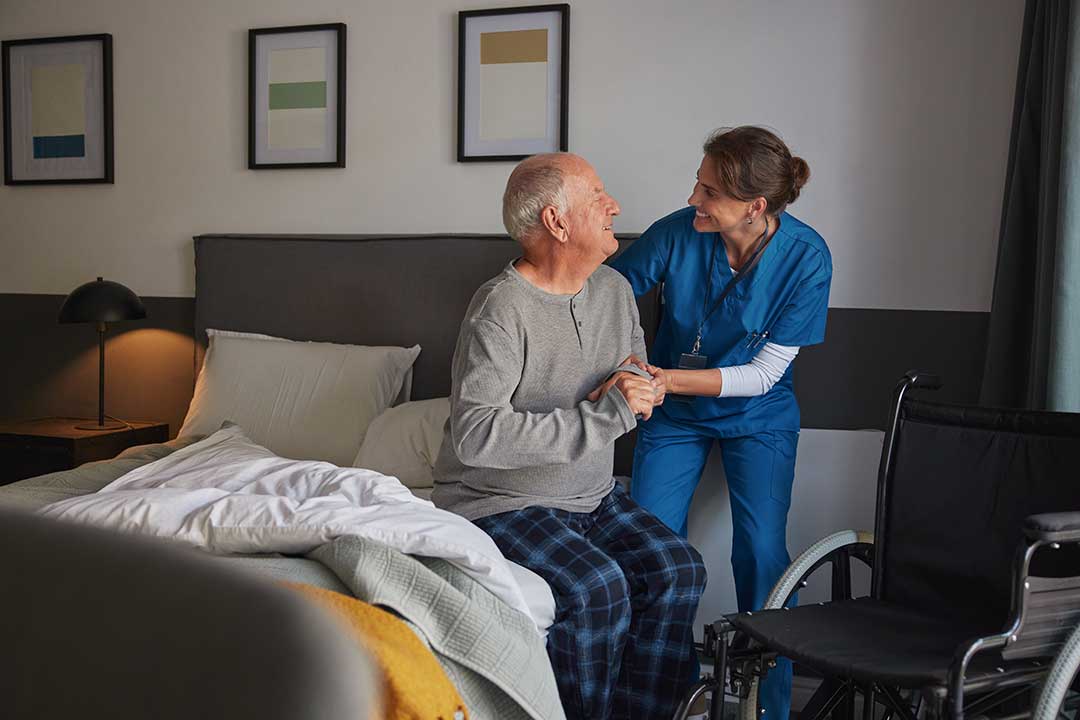
Vaccination is another layer of protection. Families can ask which seasonal vaccines are recommended for the resident and whether the residence offers vaccination clinics or coordinates them through the resident’s healthcare team. CDC guidance identifies vaccination, testing, treatment, and prompt infection prevention measures as parts of respiratory virus control in long-term care settings. ([cdc.gov](https://www.cdc.gov/long-term-care-facilities/about/index.html?utm_source=openai))
What should visitors know before entering?
Visitors should postpone routine visits if they have fever, vomiting, diarrhea, a significant cough, or another potentially contagious illness. A visitor who must enter for an urgent reason should follow the residence’s instructions about masking, hand hygiene, protective clothing, and visiting location.
Children and adults may carry infections without realizing it. Hand cleaning on arrival and departure, avoiding shared food, and not sitting on a resident’s bed or touching medical equipment can reduce unnecessary exposure.
During an outbreak, visiting rules may change temporarily. Those changes should be explained clearly and should distinguish between essential visits, social visits, communal activities, and residents who need additional protection. Infection prevention should be balanced with residents’ emotional well-being and rights.
What safety details should families ask about?
A prospective resident or family member does not need to know every clinical procedure, but several practical questions can reveal how prepared a residence is:
- Who leads infection prevention activities?
- How are staff trained and evaluated on hand hygiene and protective equipment?
- How are families notified about outbreaks or major changes in a resident’s condition?
- What happens if a resident develops vomiting, diarrhea, respiratory symptoms, or a suspected urinary infection?
- How are shared devices and high-touch surfaces cleaned?
- How are medications, insulin, and blood glucose testing handled?
- What is the emergency plan for power outages, severe winter weather, fire, or evacuation?
- How are residents protected from falls during periods of illness, weakness, or medication changes?
Pennsylvania maintains separate regulations and compliance resources for assisted living residences. Families can review the state’s current licensing information and ask a residence to explain how its own policies meet applicable requirements. ([pa.gov](https://www.pa.gov/agencies/dhs/resources/licensing/pch-alr-licensing/pch-alr-compliance-guides?utm_source=openai))
Which symptoms require urgent attention?
Some infections can progress quickly to sepsis, a life-threatening response to infection. Immediate clinical evaluation is warranted for signs such as sudden confusion, extreme weakness, difficulty breathing, very rapid breathing, faintness, mottled or clammy skin, severe pain, or a rapid decline in overall condition.
A family member should alert the residence’s nurse or other responsible healthcare professional immediately if these changes are noticed. The CDC describes sepsis as a medical emergency and encourages families to ask whether the facility has a plan for recognizing and responding to suspected sepsis. ([cdc.gov](https://www.cdc.gov/patient-safety/stories/protecting-ltc-residents-from-sepsis.html?utm_source=openai))
Good assisted living safety is visible in everyday details: clean hands, correctly used protective equipment, timely communication, careful observation, maintained walkways, safe medication practices, and respectful responses when residents become ill. These practices help protect both individual residents and the wider community.
