
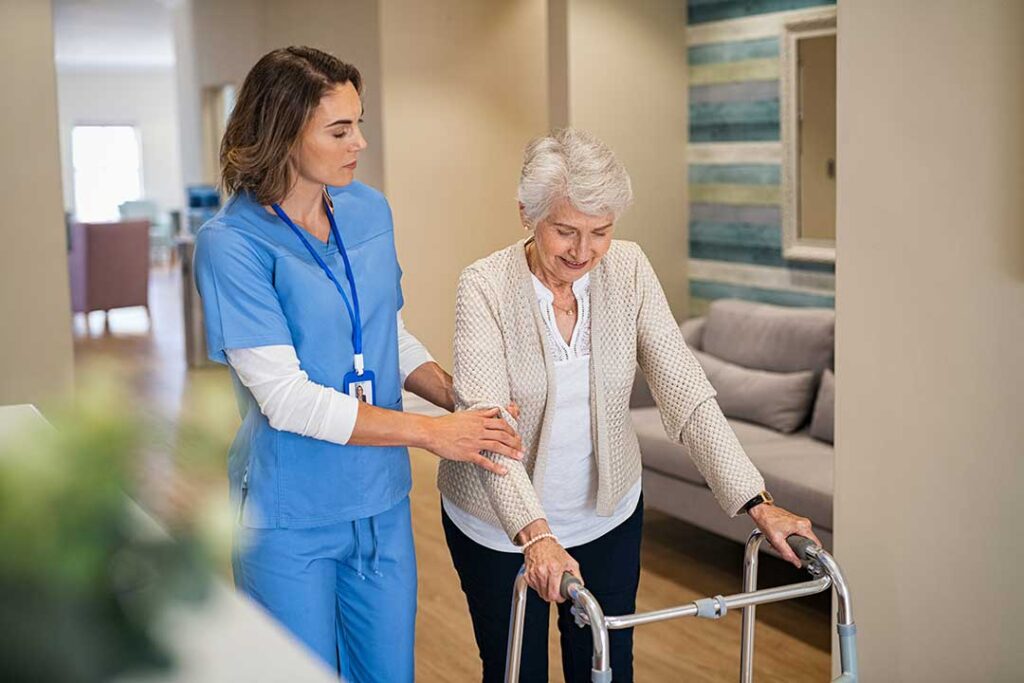
Assisted living can promote senior mobility by combining safe surroundings, regular movement, personal support, and opportunities for daily activity. The goal is not simply to help residents get from one room to another. It is to preserve strength, balance, confidence, and independence while reducing avoidable risks.
For older adults and families in Hanover, PA, mobility support may be especially useful during periods of icy sidewalks, wet weather, heat, or changing daylight. A setting designed around accessibility can make ordinary movement more manageable throughout the year.
What does mobility mean for an older adult?
Mobility includes more than walking without assistance. It also involves standing up from a chair, moving between a bed and bathroom, using stairs, reaching for household items, getting dressed, and participating in social or recreational activities.
A person may have limited mobility even if they can still walk independently. Pain, fatigue, poor vision, balance changes, medication effects, or fear of falling can cause someone to avoid movement. Over time, less activity can lead to weaker muscles and reduced confidence.
Assisted living addresses mobility as part of everyday life. Support may include walking assistance, accessible furnishings, reminders to use mobility equipment, and encouragement to remain active at a comfortable level.
How does the assisted living environment reduce fall risks?
A well-designed assisted living setting can make movement safer by reducing common obstacles. Wide pathways, adequate lighting, handrails, non-slip flooring, and accessible bathrooms can help residents move with greater stability.
Other helpful features may include:
- Clear walking routes without loose rugs or unnecessary furniture
- Seating areas that allow residents to rest during longer walks
- Grab bars near toilets and in bathing areas
- Beds and chairs positioned at manageable heights
- Elevators or single-level living areas that reduce stair use
- Emergency response systems for residents who need immediate assistance
These changes do not eliminate falls, but they can reduce environmental hazards. Staff may also notice problems such as a new limp, increased unsteadiness, or difficulty rising from a chair before a serious incident occurs.
Can assisted living help residents stay physically active?
Yes. Daily routines often provide more natural movement than many people achieve while living alone. Walking to meals, visiting a common area, joining an activity, or moving through a garden can add short periods of activity across the day.
Exercise programs may include stretching, seated movement, balance practice, light strength training, or supervised walking. Activities are usually adjusted to a person’s abilities rather than treated as a competition.
Regular movement can support:
- Leg and core strength
- Joint flexibility
- Balance and coordination
- Endurance for daily tasks
- Confidence with walking and transfers
- Social participation and emotional well-being
Even brief sessions can be useful when repeated consistently. A resident who cannot complete a long exercise class may still benefit from several short walks or movement periods.
What role does staff assistance play?
Staff support can help residents move safely without taking away more independence than necessary. Assistance may involve steadying a person during transfers, walking beside someone in a hallway, helping with footwear, or reminding a resident to use a cane or walker correctly.
The appropriate level of help can change over time. Someone may need more support after an illness, injury, hospitalization, or medication change and less assistance after rebuilding strength.
Good mobility support focuses on doing only what the resident cannot safely do alone. If staff complete every task automatically, a resident may have fewer chances to practice movement. If support is insufficient, the person may face unnecessary danger. Finding the right balance is central to preserving ability.
How are mobility needs identified?
Mobility needs are often recognized through observation, conversations, health assessments, and changes in daily behavior. Warning signs may include:
- Taking longer to stand or walk
- Holding onto furniture for support
- Avoiding meals, activities, or bathing because walking feels difficult
- Shuffling, limping, or taking unusually short steps
- Experiencing dizziness or repeated near-falls
- Becoming tired after short distances
- Needing more help with dressing or toileting
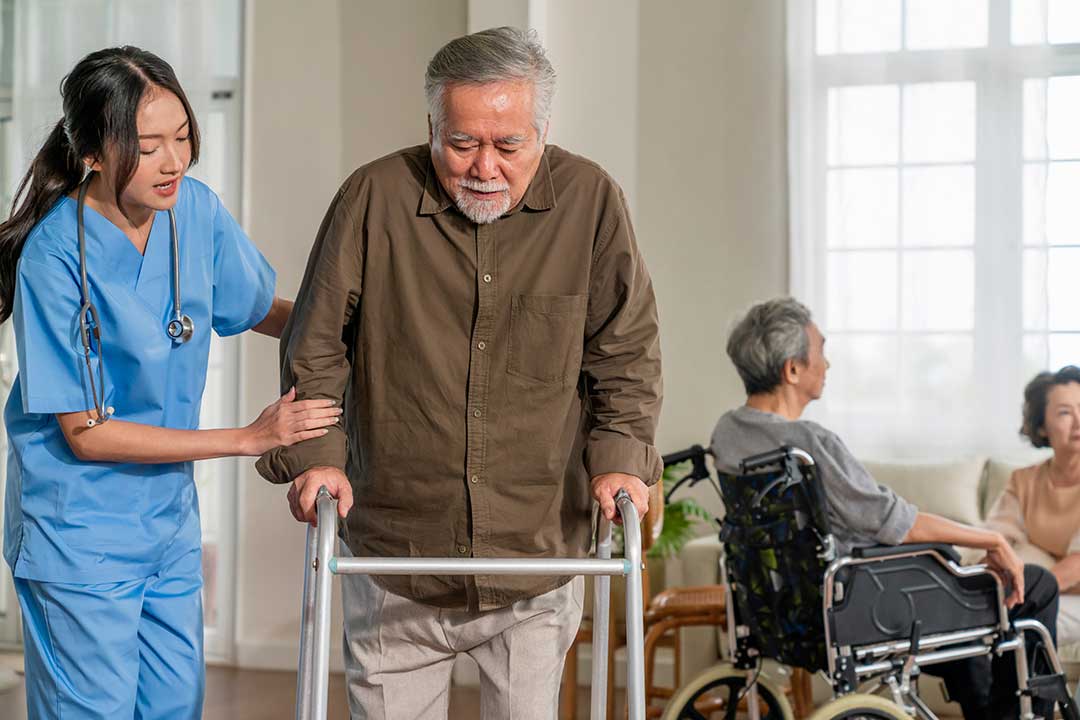
Families should share information about previous falls, pain, vision changes, dizziness, and the use of walkers or canes. A sudden change in walking ability should not be treated as a normal part of aging. It may require prompt medical evaluation, particularly if it occurs with weakness, confusion, severe pain, or changes in speech.
Do mobility aids increase independence?
Mobility aids can increase independence when they are properly fitted and used consistently. Canes, walkers, wheelchairs, and transfer supports can help a resident reach meals, activities, outdoor areas, and personal spaces with less fear.
A device that is the wrong height, poorly maintained, or used incorrectly may create new risks. Footwear also matters. Secure shoes with supportive soles are generally safer for walking than loose slippers or smooth socks.
Mobility aids should not automatically be viewed as signs that someone is losing independence. In many cases, they allow a person to continue performing tasks and participating in routines that might otherwise be avoided.
How does assisted living support mobility during difficult weather?
Seasonal conditions can affect walking safety. In Hanover, winter ice, wet pavement, and early darkness may make outdoor movement more difficult. Summer heat and humidity can contribute to fatigue or dehydration, while spring and fall weather can bring uneven or slippery surfaces.
Assisted living can support mobility by providing indoor walking routes, accessible common areas, transportation coordination, and assistance with outerwear or footwear. Residents may still enjoy outdoor time when conditions are appropriate, but they do not have to depend on unsafe surfaces for daily movement.
Weather awareness is especially important for residents who use walkers, have vision limitations, or experience balance problems. A safe indoor alternative can help maintain activity when outdoor walking is not practical.
What can families ask about mobility support?
Families evaluating an assisted living setting may want clear answers about daily movement and safety. Useful questions include:
- How are new balance or walking changes documented?
- Are exercise or walking activities available?
- Can residents practice transfers and use mobility aids safely?
- How are bathrooms, hallways, and outdoor paths designed?
- What happens after a fall or hospital stay?
- How are changes in mobility communicated to family members?
- Are residents encouraged to do tasks independently when safe?
The answers can reveal whether mobility is treated as an everyday part of resident care or only addressed after a fall.
Can assisted living prevent all mobility decline?
No. Aging, arthritis, neurological conditions, injuries, heart and lung disease, vision changes, and other health concerns can affect mobility even in a supportive environment. Assisted living cannot guarantee that a resident will maintain the same walking ability indefinitely.
It can, however, provide structure and support that make continued activity more realistic. Safe design, timely observation, appropriate assistance, regular movement, and attention to changing health needs may help residents maintain function for as long as possible.
Mobility is best viewed as an ongoing process rather than a fixed ability. Small daily choices—walking to a meal, standing during an activity, practicing balance, or using an assistive device correctly—can help a resident remain engaged in the routines that give each day meaning.
