
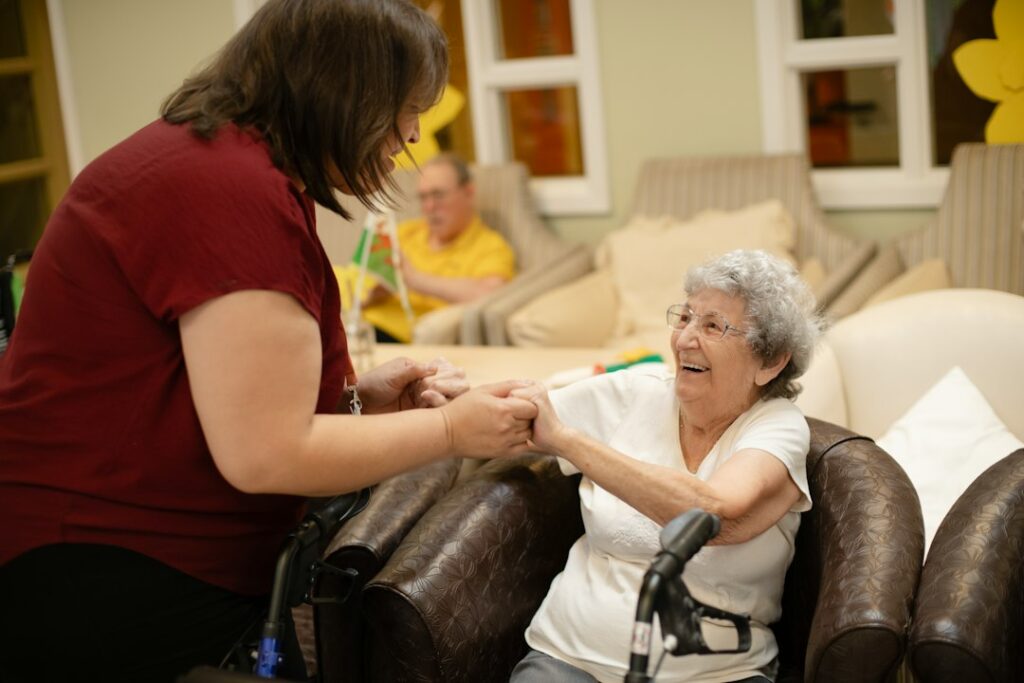
Living with diabetes, heart disease, arthritis, chronic lung disease, Parkinson’s disease, or several conditions at once can make everyday routines more complicated. Assisted living can provide structure, observation, and help with daily tasks while allowing residents to remain involved in decisions about their health.
Assisted living is not the same as a nursing home or hospital. Its role is generally to support daily living, medication routines, communication, safety, and coordination with outside medical providers. The level of health support varies by residence and by the needs a person has.
What does chronic condition management mean in assisted living?
Chronic condition management means helping a person follow an ongoing care plan and recognize changes before they become emergencies. It may include medication reminders, assistance with meals, monitoring for symptoms, help with personal care, and communication with family members or clinicians.
The goal is not to “cure” a long-term condition. Instead, the focus is on maintaining stability, reducing avoidable complications, and supporting the person’s ability to participate in everyday life.
Common conditions supported in assisted living may include:
- Diabetes and blood sugar concerns
- High blood pressure and heart disease
- Arthritis and chronic pain
- Chronic obstructive pulmonary disease and other breathing disorders
- Parkinson’s disease and mobility limitations
- Memory loss or dementia
- History of stroke
- Kidney disease or dietary restrictions
A resident may also have several conditions that affect one another. For example, arthritis may make it harder to exercise, diabetes may affect balance or vision, and heart or lung disease may reduce stamina.
How does assisted living help with medications?
Medication support is one of the most visible parts of chronic condition management. Depending on state rules, residence policies, and the person’s abilities, staff may provide reminders, organize medications, assist with administration, or observe whether a dose was taken.
This support can reduce problems caused by missed, duplicated, or incorrectly timed doses. It can also make it easier to identify side effects such as dizziness, confusion, unusual sleepiness, swelling, nausea, or changes in appetite.
Medication management should include more than prescriptions. A complete medication list may also need to include:
- Over-the-counter pain relievers
- Vitamins and supplements
- Herbal products
- Eye drops and inhalers
- Insulin or other injectable medicines
- As-needed medicines
Older adults often take several medications for different conditions. Regular review by the prescribing clinician or pharmacist can help identify interactions, unnecessary duplication, or medicines that may increase fall risk. Assisted living staff can help document observations, but medication changes should be directed by the appropriate medical professional.
Can staff monitor symptoms between medical visits?
Yes, assisted living staff may notice day-to-day changes that are easy to miss when a person lives alone. A change in walking, appetite, sleep, breathing, alertness, toileting, mood, or skin condition can provide useful information for the care team.
Monitoring may involve:
- Recording blood pressure, weight, blood sugar, oxygen levels, or temperature when ordered
- Noting whether a resident is eating and drinking normally
- Watching for increased shortness of breath or swelling
- Reporting falls, near-falls, weakness, or confusion
- Tracking pain or changes in mobility
- Documenting missed meals, refusals, or unusual behaviors
These observations do not replace medical evaluation. They help family members and clinicians see patterns and decide whether a treatment plan needs review.
A rapid change—such as chest pain, severe breathing trouble, sudden weakness, new confusion, signs of stroke, or a serious fall—requires urgent medical attention rather than routine observation.
How are chronic conditions connected to fall prevention?
Many long-term conditions affect balance, strength, vision, blood pressure, sensation, or reaction time. Medicines used for pain, sleep, anxiety, blood pressure, and other concerns may also cause dizziness or drowsiness in some people.
Assisted living may support fall prevention through:
- Clear pathways and adequate lighting
- Assistance with transfers, bathing, or walking
- Proper use of walkers, canes, or wheelchairs
- Footwear and clothing that do not create tripping hazards
- Observation during periods of weakness or illness
- Communication about falls and near-falls
- Exercise or therapy activities when ordered or available
Seasonal conditions can add practical challenges for area households. In Hanover, winter cold, snow, ice, and shorter daylight hours may affect outdoor mobility and transportation. Residents and families may need to ask how outdoor trips, appointments, entrances, and emergency plans are handled during difficult weather.

What role do meals and hydration play?
Food and fluids can directly affect chronic conditions. A resident with diabetes may need consistent meal timing. Someone with heart or kidney disease may have limits related to sodium or fluids. A person with swallowing difficulty may need modified textures or supervision while eating.
Assisted living can provide regular meal schedules and observe whether a resident is eating enough. Staff may also notice dehydration, weight loss, difficulty chewing, or a sudden decline in appetite.
A special diet should be based on an individual care plan, not a general assumption. Dietary restrictions can become unsafe if they lead to inadequate calories, unintended weight loss, or reduced enjoyment of meals.
How does assisted living coordinate with outside healthcare?
Most assisted living residents continue to receive medical care from clinicians outside the residence. Coordination may involve sharing medication lists, communicating changes in condition, arranging transportation, preparing information for appointments, and following new instructions after a hospital stay.
Families can improve continuity by keeping an updated record of:
- Diagnoses and allergies
- Current medications and doses
- Medical equipment used
- Preferred emergency contacts
- Recent falls or hospital visits
- Dietary and swallowing concerns
- Advance care planning documents
After a hospitalization, it is especially helpful to confirm which medicines changed, what symptoms require attention, what follow-up is needed, and whether the resident’s current level of assistance remains appropriate.
What should families ask before choosing assisted living?
The most useful questions focus on the person’s actual health needs rather than the building alone. Ask how the residence handles:
- Medication assistance and changes in prescriptions
- Blood sugar checks or other routine monitoring
- Falls, nighttime needs, and emergency response
- Dementia-related behaviors or wandering
- Oxygen, inhalers, mobility equipment, or special diets
- Transportation to medical appointments
- Communication with family members
- Temporary increases in care after illness or hospitalization
- Situations that require transfer to a higher level of care
It is also important to ask what the residence cannot provide. Assisted living may not be appropriate when a person needs continuous skilled nursing, frequent complex medical procedures, or supervision beyond the residence’s license, staffing, or care model.
How can residents stay involved in their own care?
Chronic condition management works best when residents understand their routines and have a voice in decisions. Even when assistance is needed, a person may still choose clothing, meals, activities, bathing times, or how health information is shared.
Residents can help by reporting new symptoms, asking questions about medications, using prescribed equipment correctly, and telling staff when a routine no longer feels manageable. Families can support this process by listening to the resident’s preferences instead of focusing only on risks.
A well-organized care plan should reflect both medical needs and personal goals. The practical measure of success is not simply whether tasks are completed, but whether the resident remains as safe, comfortable, and independent as the situation allows.
